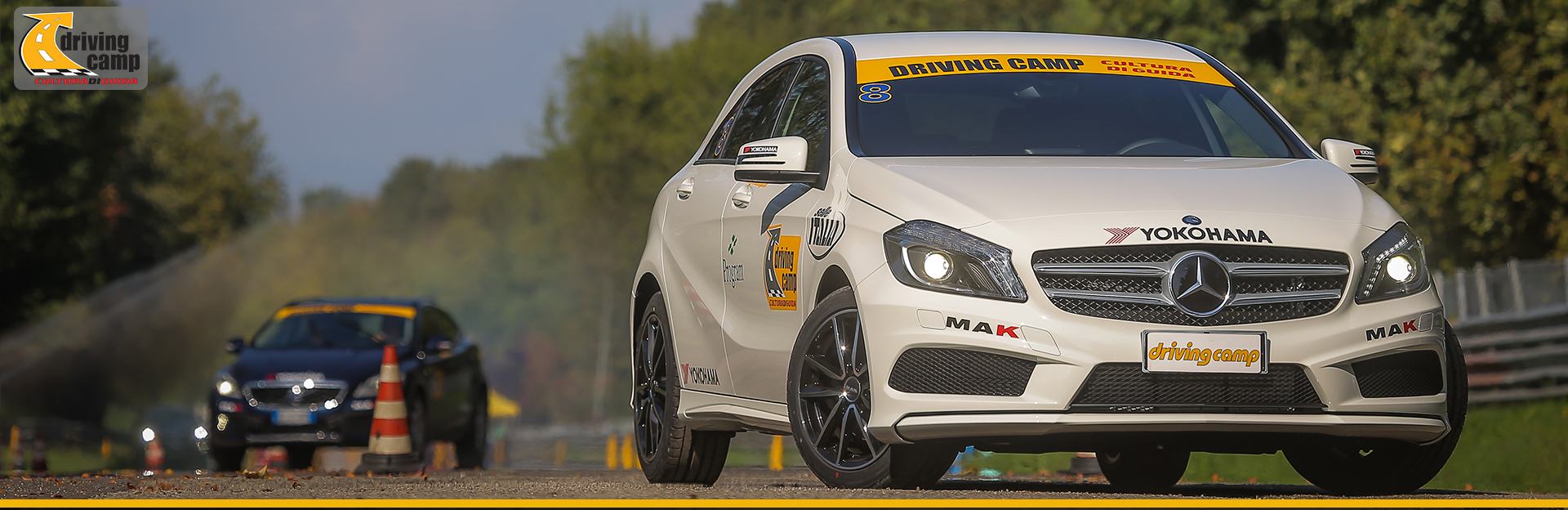
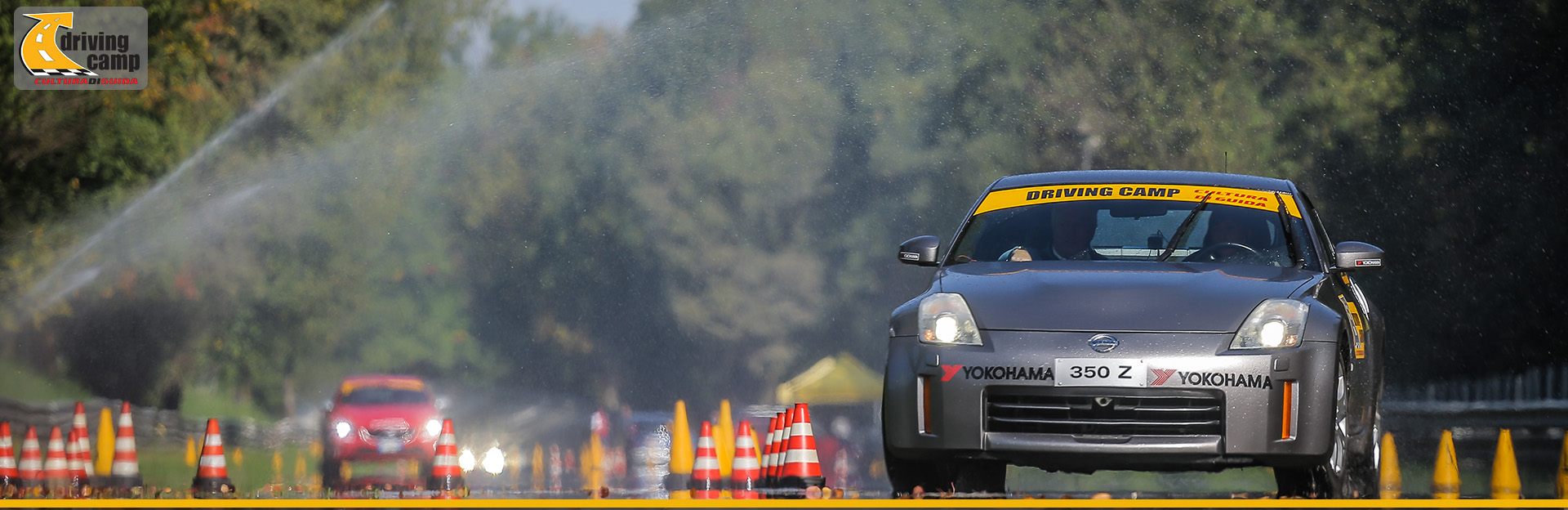
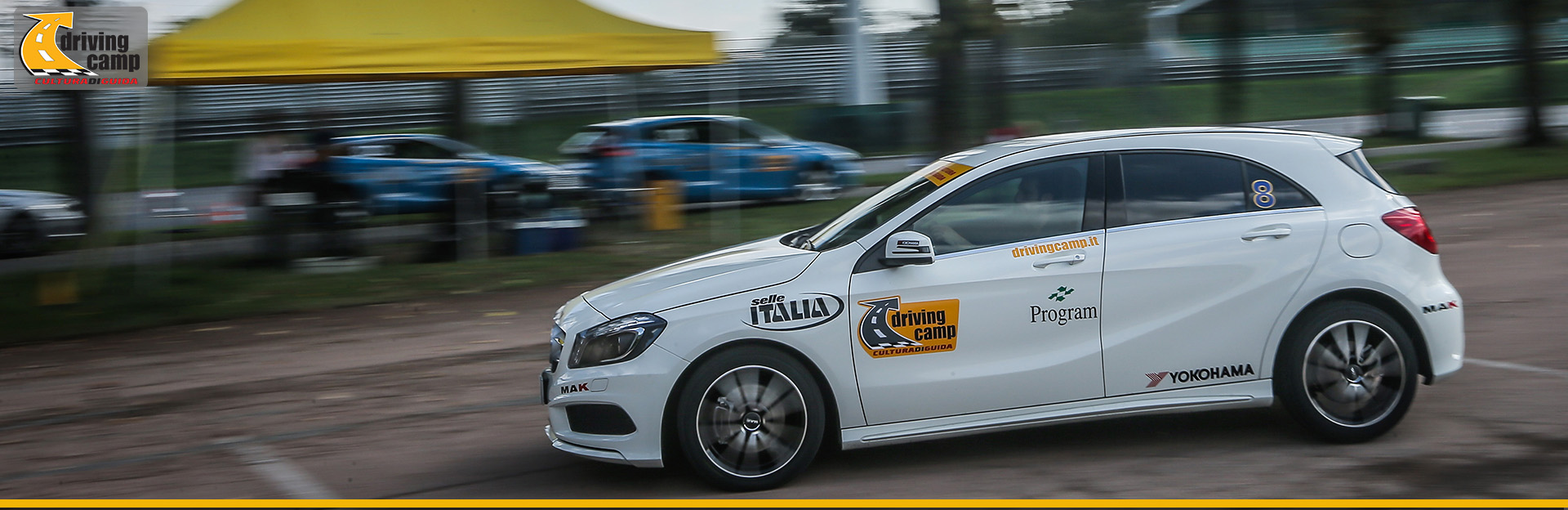
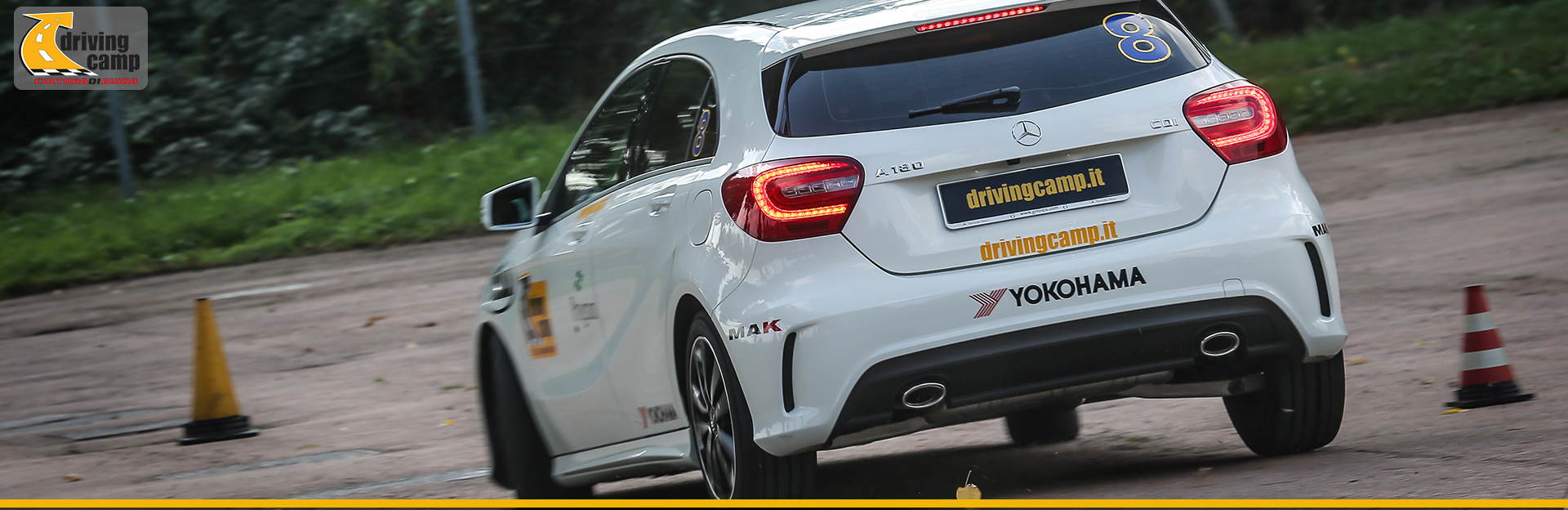


This is the "top of the line" variant of the Eco-Sustainable Driving course.
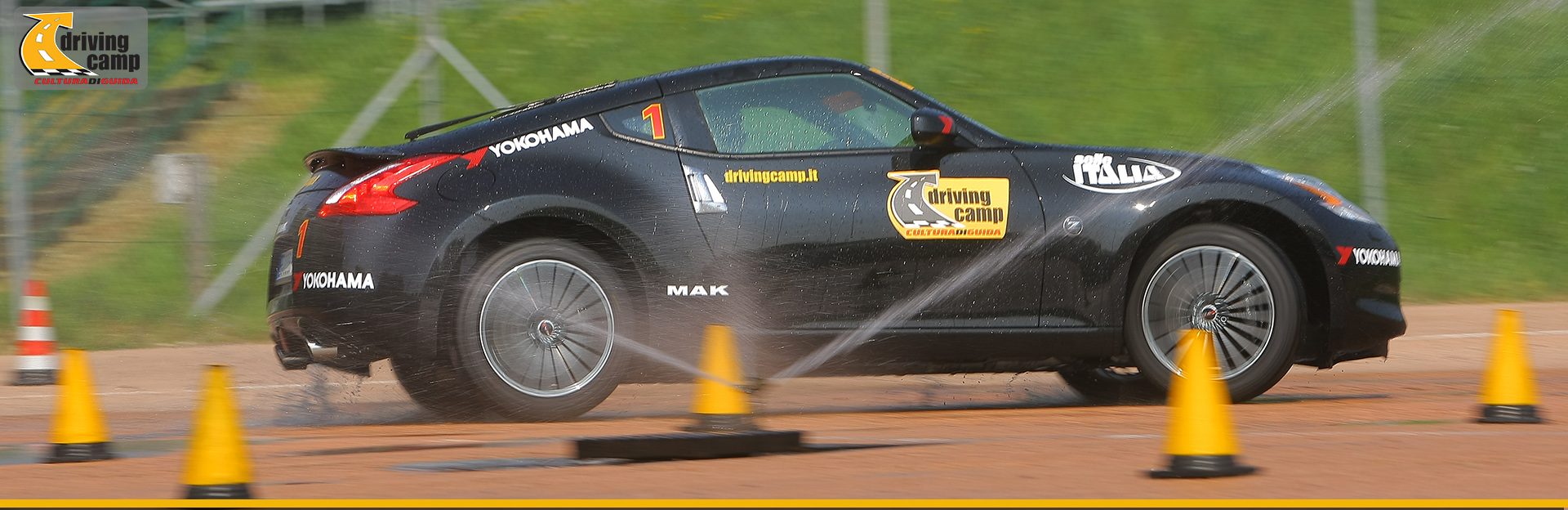
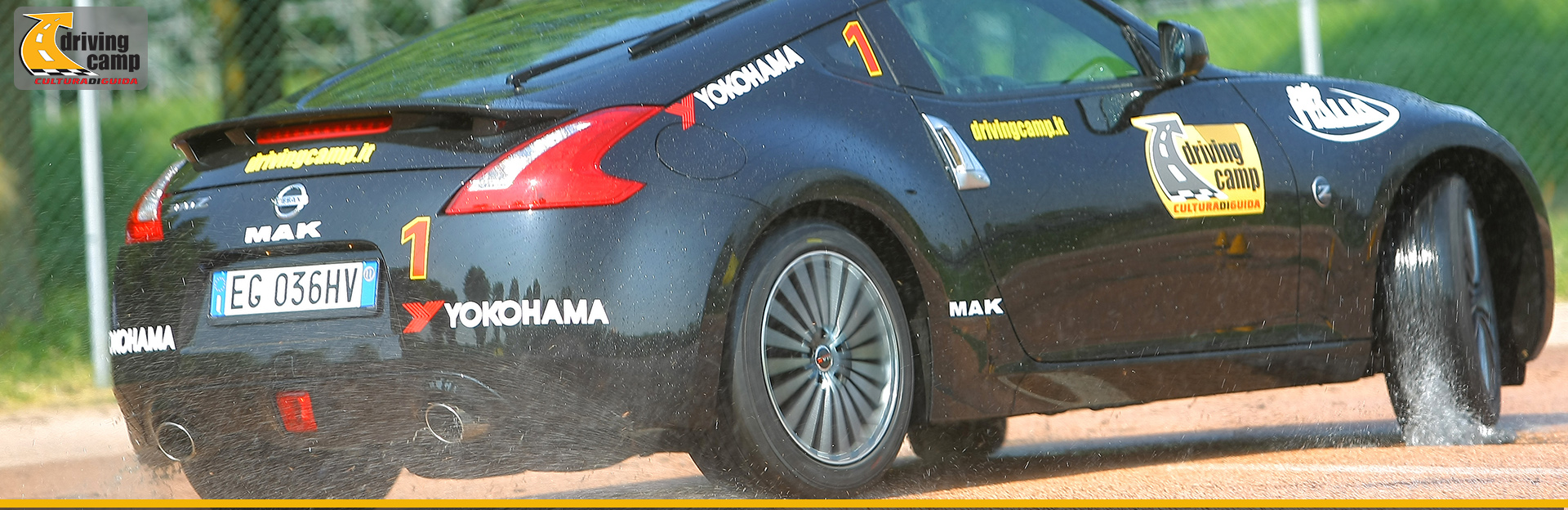
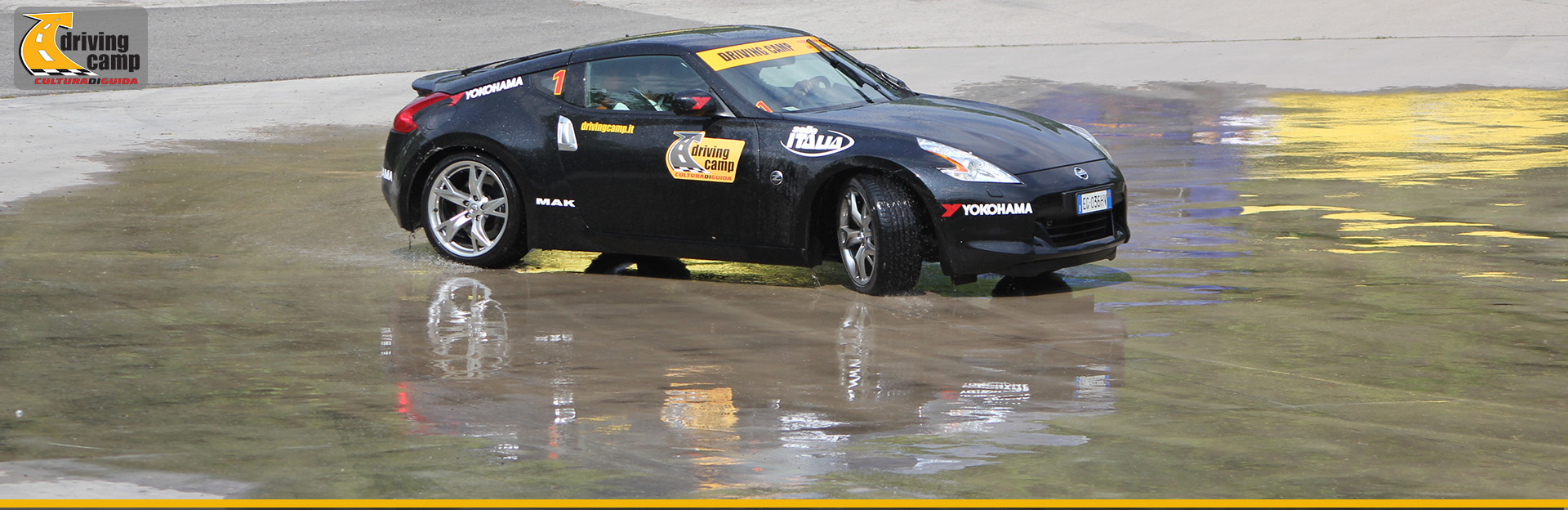
As in the standard ECO Course, basic safe driving exercises are performed: understeer, emergency braking (even on wet surfaces), and skid correction.
As in the basic course, the most appropriate driving techniques to save fuel are explained and practiced.
In the Comparative Eco course, the theoretical part regarding Eco driving is expanded. Also "in the field," before and after the various tests, analyses are done with each group of students.
But the most important thing is the data collection from the various tests of all students.
Everyone drives both in a "wasteful" way (tending to exaggerate the "vices" of inattentive and ineffective driving) and, in the following turns, in a "virtuous" way.
Both consumption (in liters x 100 km) and the average speed of each student are recorded.
After the wasteful driving, we explain the techniques to use for fluid and "thrifty" driving.
Before the virtuous tests, the Instructor asks each student what their - reasonable - savings goals are (on consumption) and how much they are willing to lose - in average speed - to achieve this saving.
Most students set the goal of saving about 10% on fuel, anticipating - and accepting - an equal reduction in the average speed obtained on the driven route.
So 10% savings and 10% slowdown.
The route is the same for each test and varies between 3 and 5 kilometers.
The student, who "wasted" some fuel with irresponsible driving, then engages in more fluid and responsible driving, aiming to achieve the result they had set.
The final data is surprising: not only does the average speed not decrease, but consumption drops by 30 to 50% !!!
All results are stored in an electronic table (which can be shared with the Company) that can also be used to establish a ranking of the most virtuous drivers.
The tables seen below are real and show the results of some courses, both held on the Milan track and in Vallelunga (Rome).
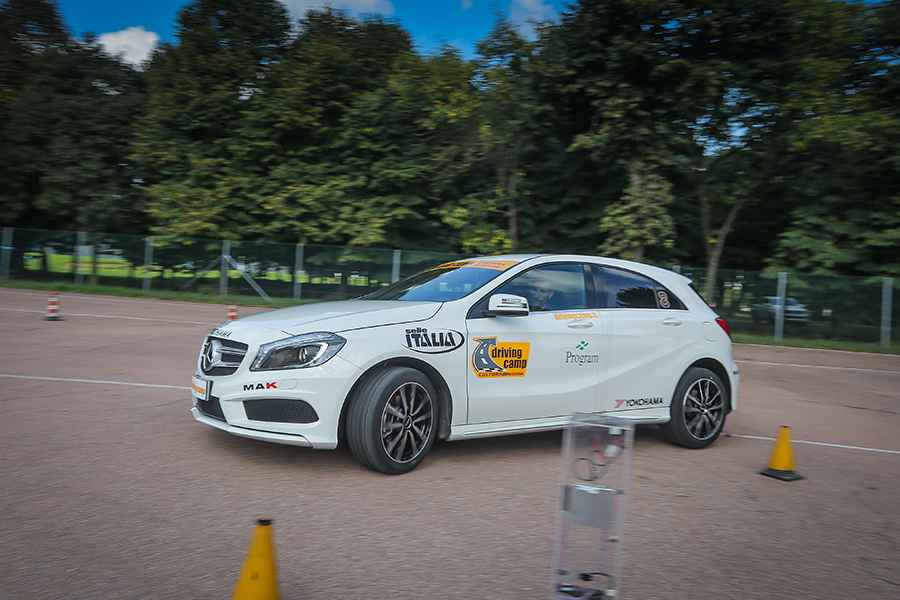
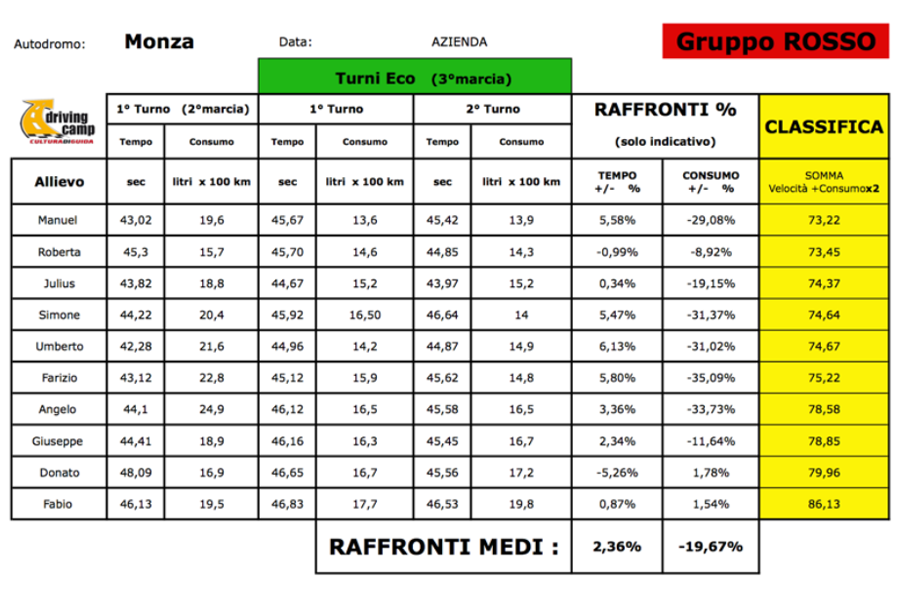
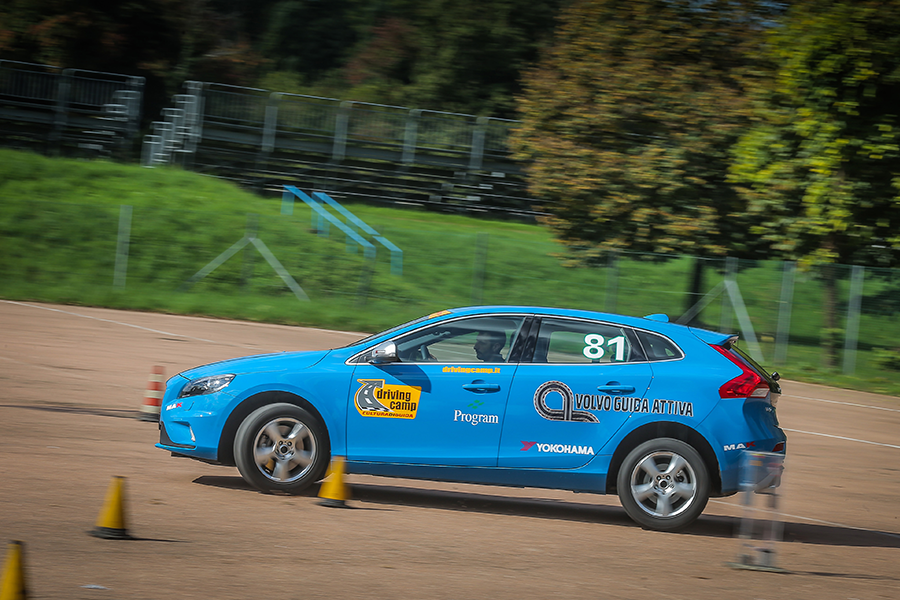
The results are impressive:
The average speeds are the same or decrease - at most - by up to 5 km/h.
But consumption drops by 40-50% !
Obviously, in normal driving, these results are not replicable, for 2 reasons:
- the usual routes are longer, and errors or "smart" behaviors are diluted over a greater number of kilometers.
- during the tests, the students, recommended by the instructors, amplify both the wrong behaviors and the correct ones.
But every participant, after these tests, realizes how useful it is to change their usual behaviors at the wheel, clearly improving performance.
Using the easy techniques they will have learned at an ECO Driving Camp.
On the road, they will certainly not save 40-50% but, being aware of how to drive ecologically (and still smoothly), the goal of 10-15% on consumption will certainly be achievable.
And, for a Company with a fleet of tens or hundreds of cars, the annual savings will make both the Fleet Manager and the Financial Director happy.
NB = hybrid and electric cars can also be used during the courses.
Duration: Half day - One day
Location: Specially equipped areas and tracks in Lainate (Milan) and Vallelunga (Rome).
Daily schedule: from 8 AM to 6 PM approximately, including the theory lesson.
Group Composition: 6-8 students with 2 Instructors + 1 track assistant + 1 group assistant.